Rail road & Rail weld UT

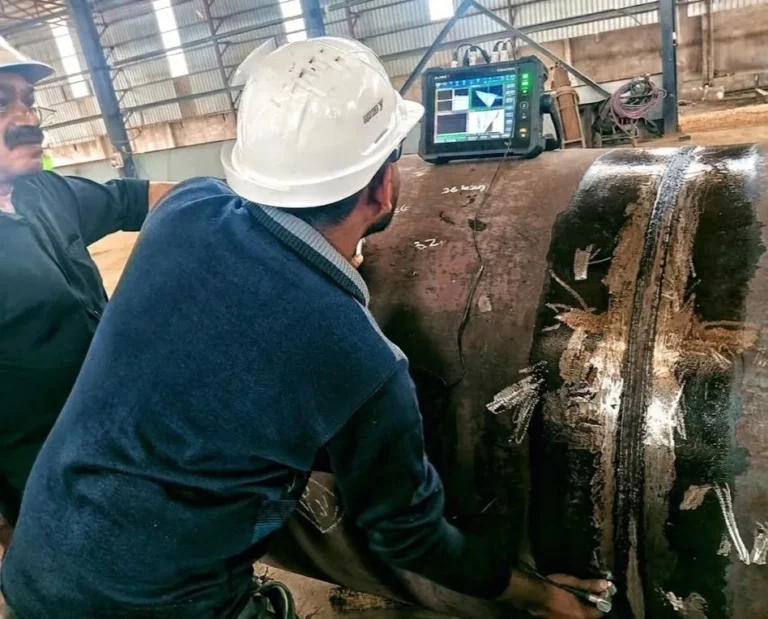
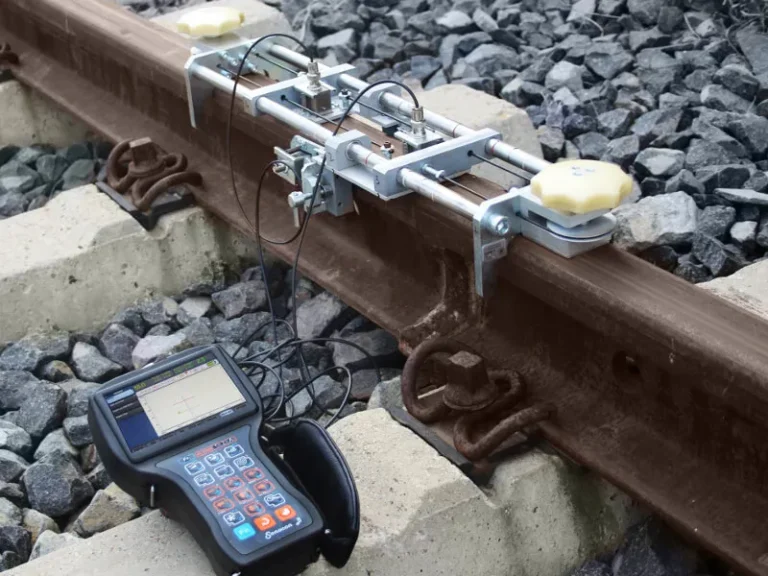
Ultrasonic Testing (UT) is indispensable for railroad safety. We use multi-angle probe systems to inspect the entire rail profile. This NDT ensures the timely detection of critical internal flaws such as transverse fissures and horizontal split heads in the railhead. We also specialize in the UT inspection of Thermite and Flash Butt Welds to find lack of fusion, porosity, and cracks, thus preventing derailments and track failures.

In-Situ Metallography, Hardness, PMI

We provide key material verification and condition monitoring services:

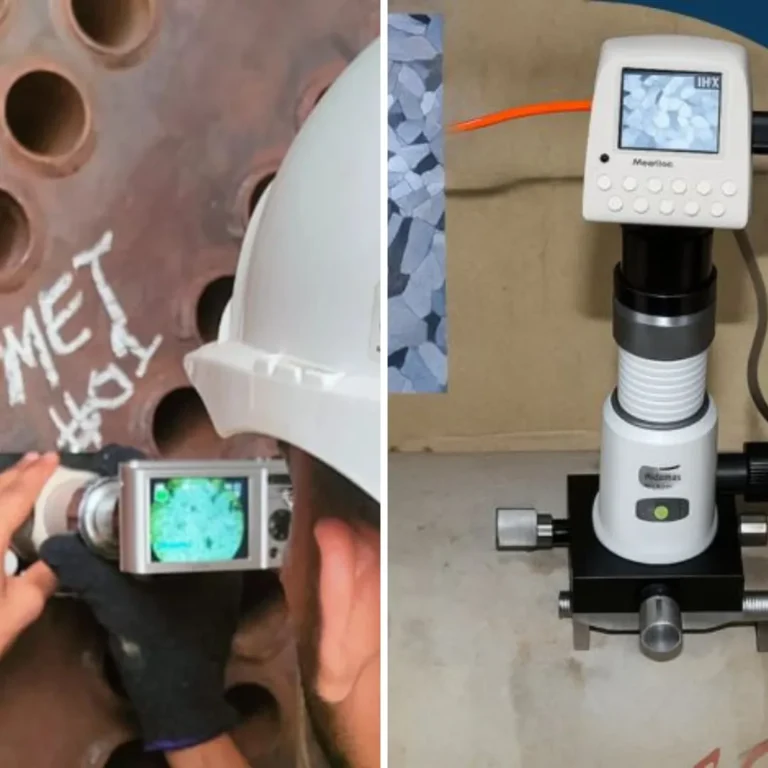
  • In-Situ Metallography (Replication): Non-destructive method to analyze a material’s microstructure on-site, detecting microstructural damage like creep voids.

  • Hardness Testing: Uses portable Leeb or UCI methods to verify material strength and heat treatment status.

  • Positive Material Identification (PMI): Uses XRF or OES to quickly verify the exact chemical composition of alloys, preventing dangerous material mix-ups.

Remaining Life Assessment Studies (RLA)

A Remaining Life Assessment (RLA) is a vital engineering study that determines the future safe operating life of critical aging assets (e.g., boilers, pressure vessels). RLA is a systematic process combining operational history review with comprehensive NDT condition monitoring. Techniques like UT, In-Situ Metallography, and Hardness Testing provide key data points. We analyze this information using material degradation models to predict the remaining useful life, allowing for proactive maintenance and minimizing costly, unplanned downtime.
Oxide Scale Thickness Measureements

Oxide Scale Thickness Measurement (OSTM) is a critical NDT technique for boiler tubes in power plants. This scale acts as an insulator, leading to tube overheating and accelerated creep damage. We use specialized, high-frequency Ultrasonic Testing (UT) to measure scale thickness precisely. This data is essential for preventing catastrophic tube failures and informing Remaining Life Assessments (RLA).